
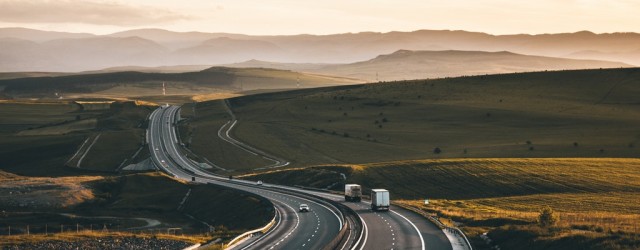
Long moves can get expensive, so it is vital to budget for them. Unfortunately, that can be hard because there are a lot of little expenses that you need to take into account.
The best thing to do is to make a list of your expected expenses and make sure that you have all of them covered, along with an extra fund just in case you forget something.
Moving Services
This is the single largest expense for most moves, but it is also the easiest to predict. The moving company will tell you how much their services will cost.
It is generally a good idea to start by shopping around and getting quotes from different services to see how much that part of the move will cost. That will form the foundation of your budget and give you some idea of how much you will need to spend for the whole procedure.
It is possible to handle a move on this scale by yourself, but it can be tricky, and it isn’t always cheaper. You would still have to pay to ship your possessions or rent a truck that can handle hauling them.
Professionals are less likely to damage items by accident while moving them, which can reduce the cost of buying replacements. It is good to consider all of your options, but you will need to carefully calculate the expected costs of a DIY move to see if you can actually come out ahead.
Fuel and Rooms
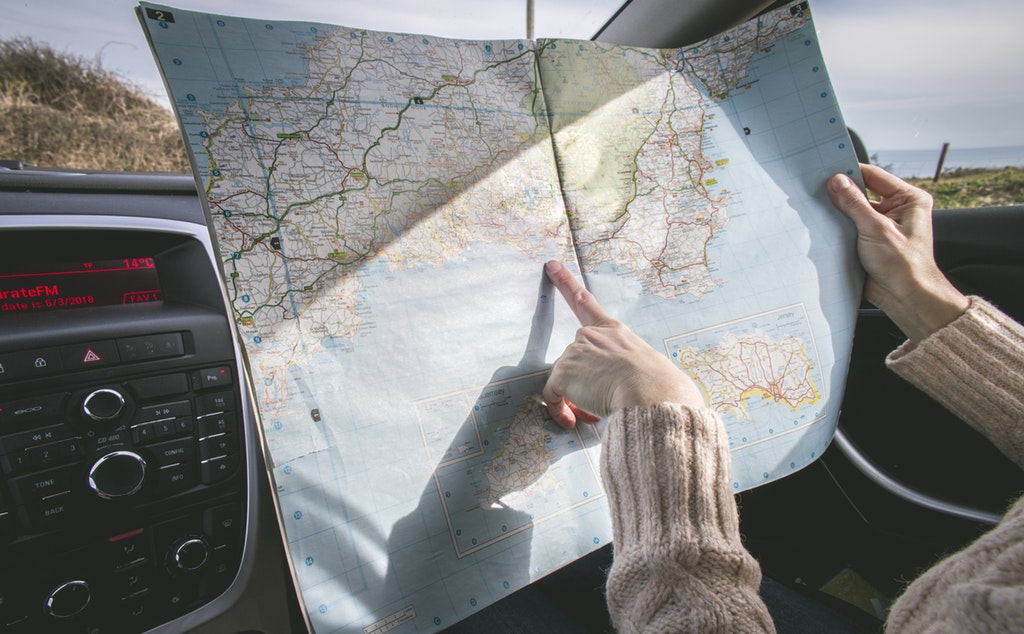
Crossing the country will take a long time, so you also need to budget for enough fuel to make the journey and a few places to stay while you are traveling. The cost of fuel is fairly easy to estimate.
Plan out the trip so that you know the distance that you need to travel, and divide if by your vehicle’s expected mileage to figure out how much gas you will need. Remember that mileage can vary based on driving conditions and the amount of weight in the car, so you can only treat this as an estimate.
Multiply that by the average cost of fuel in each region that you are crossing to figure out the approximate cost of gas.
Lodging is trickier to estimate. If possible, it is often a good idea to book hotels in advance so you can try to get a good deal, but it can be hard to keep to a strict schedule when moving.
Try to avoid staying near major tourist destinations if you can, and avoid times when there are a lot of people on the road to benefit from reduced demand for lodging.
Meals and Snacks
You’re going to get hungry on the road. The amount that you will need to budget for food will depend on what you get, but most people find that the cost adds up quickly.
Fast food is a quick and convenient option, but it is also one of the most expensive and least healthy. You can save a lot of money by focusing on foods that are easy to pack and cheap to make.
It can be hard to fit enough food in a packed car, so you may need to stop at a grocery store to restock during the trip. That will add some time to your trip, but it can be worth it to cut costs.
Top